

Espresso vs Coffee: What’s the Difference?
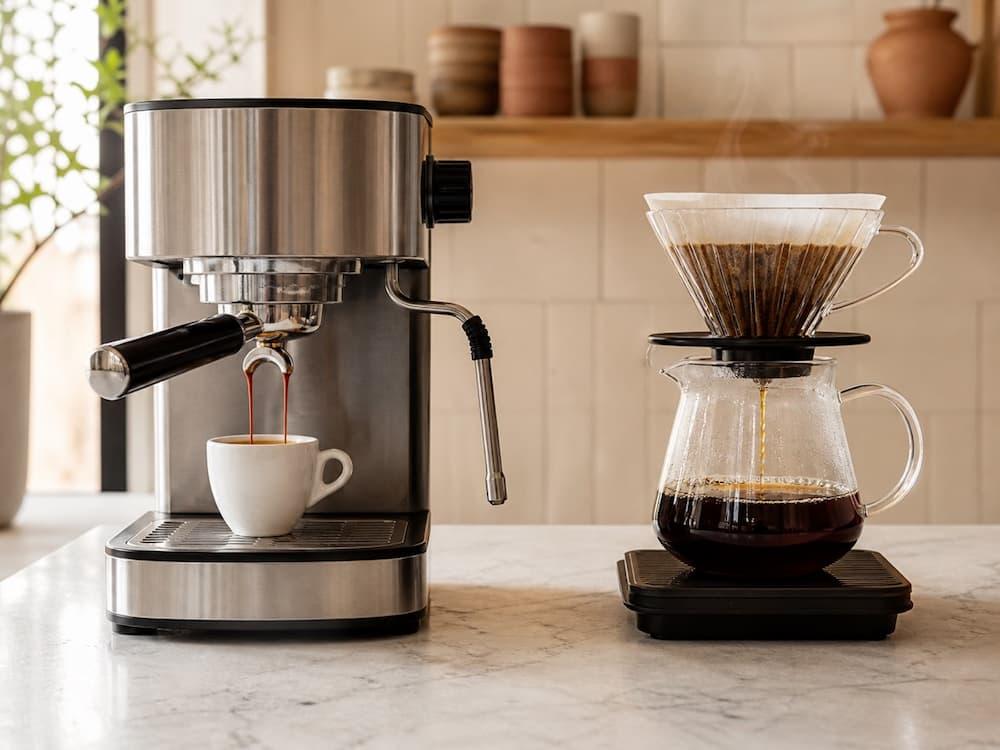
Espresso is a concentrated form of coffee brewed under pressure, while “coffee” usually means a larger drink made by drip, pour-over, or immersion. Both begin with roasted coffee beans. The real differences come from the grind, coffee-to-water ratio, pressure, brewing time, serving size, and the flavor each method creates.
That distinction also clears up a second common question: espresso beans and coffee beans are not separate kinds of beans. A bag labeled “espresso” usually contains beans roasted or blended to perform well in an espresso machine—but any coffee bean can technically be used for espresso or regular brewed coffee.
Espresso vs Coffee at a Glance
|
Feature |
Espresso |
Regular brewed coffee |
|---|---|---|
|
What it is |
A pressure-brewed coffee method and the concentrated drink it produces |
A broad category; commonly drip, pour-over, or immersion coffee |
|
Typical grind |
Fine |
Medium for drip or pour-over; coarse for French press |
|
Coffee-to-water ratio |
Highly concentrated, often near 1:2 by weight |
More diluted, often around 1:16 to 1:18 |
|
Brewing force |
Pump pressure, commonly around 9 bars |
Gravity or immersion |
|
Brewing time |
Usually about 25–30 seconds |
Usually several minutes |
|
Typical serving |
About 1–2 ounces |
About 8–12 ounces |
|
Texture |
Dense, syrupy, with crema when well prepared |
Lighter-bodied and cleaner, especially with a paper filter |
|
Flavor |
Concentrated, intense, and compact |
More open, aromatic, and easy to sip over time |
|
Caffeine |
More concentrated per ounce |
Often more total caffeine in a full serving |
The simplest way to remember the comparison is this: espresso compresses a coffee experience into a small cup, while brewed coffee spreads it across more water and more time.
What Is Espresso?
Espresso is coffee made by forcing hot water through a compact bed of finely ground coffee under pressure. The result is a small, concentrated drink with a full body and a layer of crema—the aromatic foam that forms as gases and emulsified oils reach the surface.
The Specialty Coffee Association’s heritage definition describes a small beverage brewed at roughly 9–10 atmospheres of pressure in 20–30 seconds. Modern cafe recipes vary, but an approximately 1:2 ratio remains a common starting point: 18 grams of dry coffee might produce about 36 grams of espresso. The recipe, not the name on the bag, makes the drink espresso.
Espresso is also the foundation of many cafe drinks. Add steamed milk and it can become a cappuccino, latte, or flat white; add hot water and it becomes an Americano. In each case, espresso supplies the concentrated coffee flavor.
What Is Regular Coffee?
“Coffee” can mean the entire beverage category, including espresso. In an espresso vs coffee comparison, however, people usually mean espresso versus filter-brewed coffee such as drip or pour-over.
Regular brewed coffee relies on gravity or immersion rather than espresso-machine pressure. Water spends more time in contact with a larger, looser bed of grounds, and the finished drink contains much more water. A paper filter also removes more suspended particles and oils, often producing a cleaner cup with greater flavor separation.
French press, AeroPress, moka pot, cold brew, and pour-over all make coffee, but they are not interchangeable. Each uses a different combination of grind, contact time, filtration, and pressure. A moka pot makes concentrated coffee, for example, but it does not normally reach the pressure of a true espresso machine.
How Espresso and Coffee Are Brewed Differently
Pressure changes the extraction
An espresso machine pushes water through finely ground coffee at high pressure. That allows a barista to make a concentrated drink quickly, but it also makes the recipe sensitive to small changes in grind, dose, distribution, and tamping.
Most regular coffee methods use gravity or steeping. Because the water and grounds remain in contact longer, a coarser grind helps control flow and extraction. The process is slower, but it is generally more forgiving than dialing in espresso.
The ratio changes the strength
Espresso uses far less water for the amount of coffee in the basket. The Specialty Coffee Association notes that common espresso and filter preparations can differ dramatically in beverage ratio. That is why espresso feels thicker and tastes stronger even when the same beans are used.
Strength and extraction are not the same thing. Strength describes how concentrated the drink is. Extraction describes how much soluble material water removed from the grounds. A strong espresso can still be under-extracted and sour; a lighter filter coffee can be well extracted and balanced.
Grind size controls resistance and flow
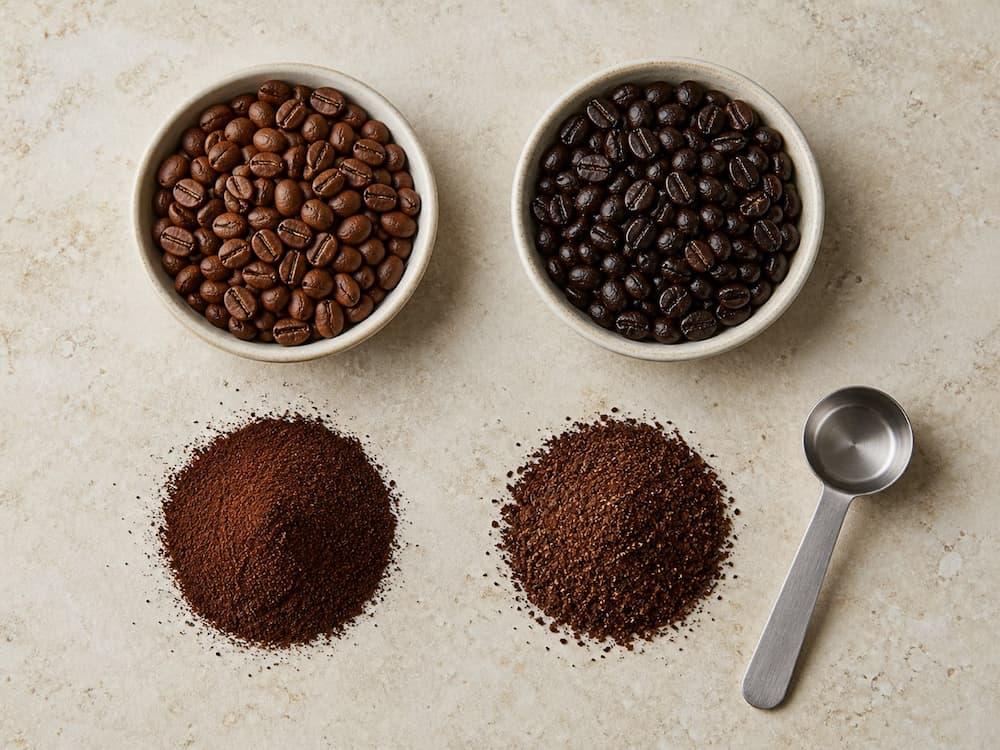
Fine espresso grounds create resistance inside the compact coffee puck, helping the machine build pressure. If the grind is too coarse, water rushes through and the shot may taste thin or sour. If it is too fine, the flow can stall and produce harsh, dry flavors.
Drip and pour-over coffee usually need a medium grind, while French press generally needs a coarser one. There is no universal setting: grinder design, brewer shape, roast, dose, and bean age all affect the best adjustment.
Espresso Beans vs Coffee Beans: Are They Different?
Espresso beans and coffee beans are the same agricultural product; “espresso beans” are simply coffee beans selected, blended, or roasted with espresso brewing in mind. There is no espresso plant or espresso-only coffee species.
Roast level is a preference, not a rule
Traditional espresso blends are often medium-dark or dark roasted. These profiles can produce chocolate, caramel, toasted-nut, and bittersweet flavors that remain noticeable in milk. Darker roasts also tend to be easier to extract, which can make them more forgiving.
But espresso does not have to be dark. Many specialty cafes use medium or light roasts to highlight fruit, florals, or bright acidity. Lighter espresso can be delicious, though it may require a finer grind, a longer ratio, or more precise temperature control.
The grind is not determined by the bag
Whole beans labeled for espresso still need to be ground for the brewing method. Grind them fine for an espresso machine, medium for drip, or coarse for French press. Pre-ground “espresso coffee” is usually fine, but it may not match the exact resistance your machine needs.
Blends and single origins can work for both
Roasters often build espresso blends for sweetness, body, crema, and consistency. Single-origin coffee may offer a more distinctive flavor. Neither option is automatically better. Choose according to taste, then adjust the grind and recipe for the brewer.
Espresso vs Coffee Caffeine: Which Has More?
Espresso usually contains more caffeine per ounce because it is more concentrated. A full cup of brewed coffee, however, often contains more caffeine overall because the serving is much larger.
That is why “espresso is stronger” needs context. It is stronger in concentration and flavor, but one shot does not automatically contain more caffeine than an entire mug of coffee. The FDA gives approximately 95 milligrams as a typical amount for an eight-ounce cup of ground coffee, while noting that caffeine varies by product and preparation.
Bean variety, dose, grind, brew ratio, extraction time, and serving size can all change the final amount. A double espresso may also narrow the gap with a mug of coffee, so compare the drink you actually order rather than caffeine per ounce alone.
How Do Espresso and Coffee Taste Different?
Espresso presents flavor in a compact, intense form. A balanced shot may taste sweet, rich, and layered, with a syrupy texture and lingering finish. Because the drink is so concentrated, bitterness, acidity, and extraction flaws can also feel more obvious.
Filter coffee is more diluted, which gives aromas and individual tasting notes more room to unfold. A paper filter can create a lighter body and cleaner finish, making floral, fruit, tea-like, or origin-specific qualities easier to notice.
Crema is unique to espresso-style pressure brewing, but it is not a simple score of quality. Freshness, roast level, bean variety, and trapped carbon dioxide all influence how much crema appears. A beautiful layer of crema can sit on an unbalanced shot, while a delicious lighter-roast espresso may produce less of it.
Is Espresso Healthier Than Coffee?
Neither espresso nor brewed coffee is automatically healthier. Both are made from coffee and water, and the practical differences depend on serving size, caffeine sensitivity, filtration, and what you add.
A plain espresso is a very small drink, so it contains few calories. Plain black coffee is also low in calories. Milk, cream, sugar, and syrup change the nutritional profile far more than choosing espresso instead of drip coffee. If caffeine affects your sleep, anxiety, heart rate, or digestion, pay attention to the total dose and timing rather than assuming the smaller cup is always lighter.
Which One Should You Choose?
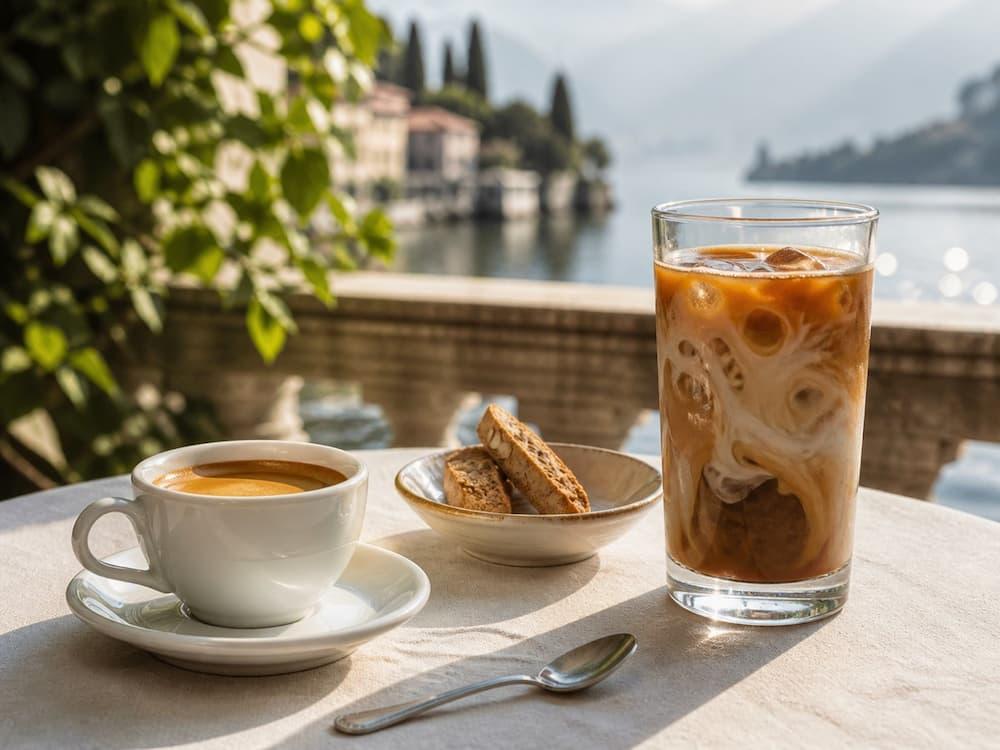
Choose espresso when you want a short, concentrated drink, enjoy dense texture, or plan to add milk. It is also the better base when you want coffee flavor to remain clear in a cappuccino, latte, or iced milk drink.
Choose brewed coffee when you prefer a larger cup, a slower drinking experience, or more clarity between delicate flavor notes. Drip coffee is also convenient when serving several people at once.
If you are choosing beans, start with the flavor description rather than the word “espresso.” Chocolate, caramel, and nut notes often suit classic espresso and milk drinks. Fruit-forward or floral coffees can shine in pour-over, though skilled brewing can make them expressive as espresso too.
Espresso vs Coffee: The Final Verdict
Espresso is not a different bean or a separate category from coffee. It is a pressure-brewing method that creates a small, concentrated drink. Regular brewed coffee uses more water, a longer contact time, and usually gravity or immersion, resulting in a larger, lighter-bodied cup. Espresso has more caffeine per ounce, while a full mug of brewed coffee often has more caffeine in total.
Once you have chosen the base that suits your taste, Como Speziale—an Italian-inspired syrup and lifestyle brand—can add a measured touch of flavor to the exact coffee style you enjoy, from a vanilla latte to a bright iced coffee. Start lightly so the character of the coffee still leads.
Explore Como Speziale syrups and choose a flavor for your next coffee.


Comments
No comments yet. Be the first to share your thoughts!